Rohan Editor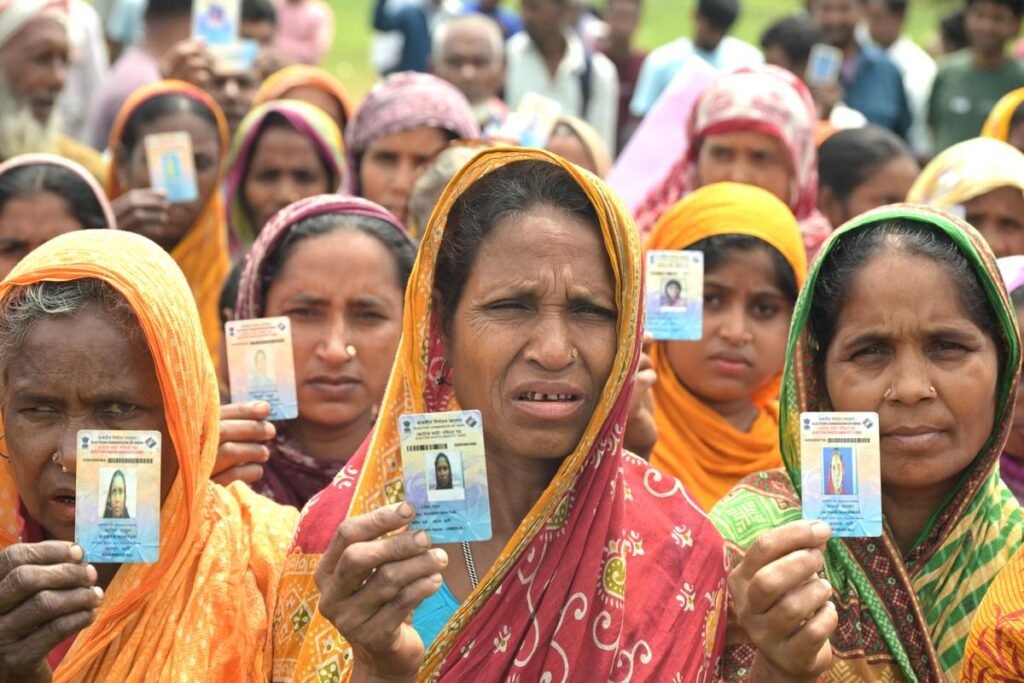
A stark humanitarian and political crisis is unfolding in Assam as thousands of indigenous and minority families, previously displaced by state-led eviction drives, find their names missing from the 2026 electoral rolls. The report highlights a growing pattern where families removed from protected forest lands or “encroached” government plots in districts like Darrang and Sonitpur have effectively been “erased” from the democratic process. Despite possessing valid identification documents and previous voting records, these displaced citizens claim they were unable to update their addresses or provide “permanent residency” proof required during the summary revision of rolls.
Community leaders and human rights activists argue that the lack of a comprehensive rehabilitation policy has turned these families into “internal refugees” with no fixed constituency. Without a designated temporary polling station or a mechanism to track their relocation, many find themselves caught in a bureaucratic loop: they are no longer registered at their old addresses but are not yet recognized at their current makeshift settlements. As the state moves toward the final phases of the Assembly elections, the systemic exclusion of these vulnerable groups has sparked concerns over the representative nature of the polls, with critics calling for immediate ECI intervention to restore the voting rights of those now living in the shadows of the state’s development and conservation projects.
About The Author