Supreme Court Refuses Blanket Ban on Pellet Guns, Citing ‘Exceptional Situations’, While Directing Preservation of RAF Munition Logs
 anuprova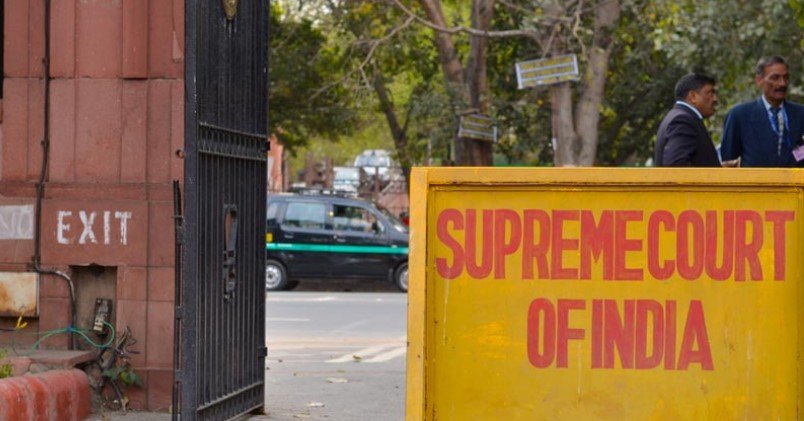
The Supreme Court of India directed the Union Government to preserve the ammunition logs of the Rapid Action Force (RAF) deployed during recent student protests at Jantar Mantar, while noting that law enforcement forces are empowered to use pellet guns under “exceptional situations” as governed by official security guidelines. A bench comprising Chief Justice Surya Kant, Justice Joymalya Bagchi, and Justice V. Mohana made the observations while hearing a Public Interest Litigation (PIL) filed by former Central Information Commissioner Yashovardhan Azad and injured demonstrators seeking a nationwide ban on metallic pellet ammunition. The top court questioned the plea for a blanket prohibition, referencing advisories from the Bureau of Police Research and Development (BPRD) that permit a graded response—including non-lethal projectile weapons—when extreme crowds cannot be controlled through tear gas or baton charges. However, addressing allegations of excessive force during the July 20 anti-NEET paper leak demonstration in New Delhi, the bench agreed to examine whether proper operational protocols were followed. Taking note of arguments presented by senior advocate Vrinda Grover, the court instructed Solicitor General Tushar Mehta to ensure that all deployment and ammunition records of the RAF personnel involved are preserved for legal scrutiny. Additionally, the bench ordered the Delhi government to provide comprehensive medical care and rehabilitation to all individuals who sustained pellet injuries during the protest, balancing police crowd-control prerogatives with constitutional accountability.
About The Author