anuprova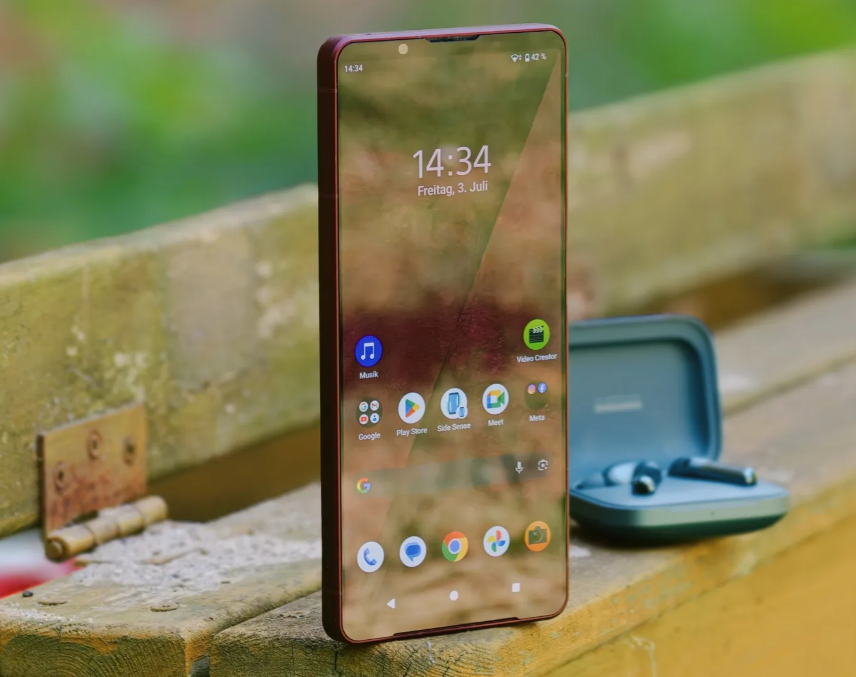
Sony’s flagship Xperia line is facing a fundamental identity crisis as it attempts to balance legacy enthusiast hardware with mainstream market demands. For years, the Japanese tech giant carved out a distinct position in the crowded smartphone arena by tailoring its top-tier devices to creative professionals, audiophiles, and mobile purists. Signature features like 4K displays, an elongated 21:9 cinematic aspect ratio, dedicated shutter buttons, 3.5mm headphone jacks, and granular manual camera controls set the brand apart from dominant rivals like Apple and Samsung.
However, recent shifts in product strategy suggest a confusing compromise rather than a bold new vision. By abandoning long-standing hallmarks—such as the 4K resolution and ultra-tall aspect ratio—in favor of conventional 19.5:9 panels, Sony is clearly attempting to court everyday consumers. Yet, at the same time, the company continues to charge steep flagship prices while clinging to legacy hardware additions like microSD expansion, which hold little relevance for the broader mass market.
This dual approach risks satisfying neither group. Everyday buyers seeking intuitive point-and-shoot software and sleek mainstream designs often find better value elsewhere, while loyal power users feel alienated as Sony sheds the distinct hardware quirks that originally defined the Xperia identity. Without a clear commitment to either mass-market accessibility or uncompromising niche specialization, Sony’s flagship smartphone business risks remaining trapped in commercial limbo.
About The Author