Tale of Two Menus Bengal’s Midday Meal Shakeup Triggers Political Row While Assam Doubles Down on Eggs
 Rohan Editor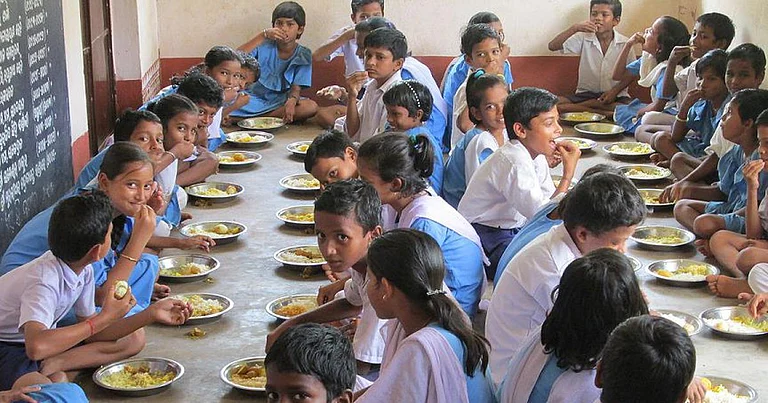
A sharp policy contrast has emerged between West Bengal and Assam regarding school nutrition under the PM Poshan (midday meal) scheme, igniting a fierce political debate over dietary choices and child health. The controversy began after West Bengal State Finance Minister Swapan Dasgupta tabled the state budget, announcing a pilot project to engage the International Society for Krishna Consciousness (ISKCON) to provide cooked midday meals in schools under the Kolkata Municipal Corporation (KMC) area. Because ISKCON strictly adheres to a satvik vegetarian diet, the initiative removes eggs previously served once a week to combat child malnutrition from the plates of schoolchildren. ISKCON authorities and state officials have defended the decision, asserting that a team of empanelled dietitians has curated a menu where high-quality vegetarian protein sources like paneer, rajma, and soybeans will comfortably match or exceed the nutritional value of eggs.
However, the move has drawn severe fire from opposition leaders, educators, and right-to-food activists, who view it as an unnecessary imposition of food habits on a predominantly non-vegetarian population. Critics point out that eggs are not only a highly cost-effective and nutrient-dense complete protein, but “egg days” historically drive spikes in school attendance among vulnerable children. This eggless pilot project stands in stark contrast to neighboring Assam, where the government has actively expanded its midday meal egg menu. First introduced once a week in 2020, Assam expanded the initiative to three times a week in targeted areas like tea gardens and riverine char-chaporis to directly address higher regional stunting and malnutrition rates. While Assam does accommodate vegetarian students with paneer or soybean substitutes, its baseline model embraces the egg, leaving West Bengal’s sweeping shift facing intense scrutiny.
About The Author