Rohan Editor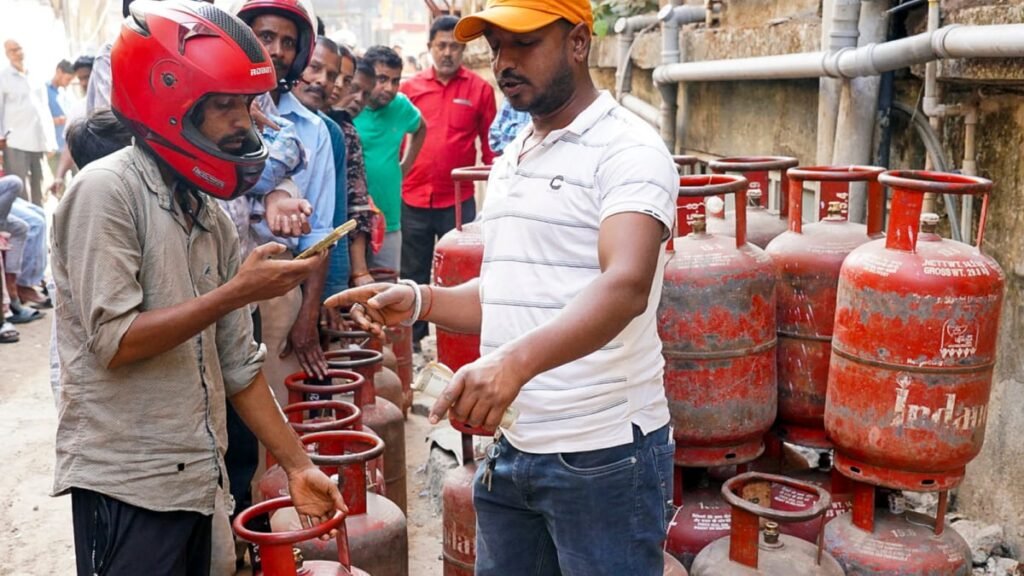
India is grappling with a severe domestic energy crisis as the escalating conflict between the U.S., Israel, and Iran has choked the vital Strait of Hormuz, through which nearly 90% of the country’s LPG imports pass. This disruption has triggered widespread panic buying and hoarding, with citizens across major cities like Delhi, Kolkata, and Bengaluru reporting week-long waits for refills and a surge in black-market prices. While the government has responded by ramping up domestic production by 40% and conducting over 4,500 raids to curb illegal stockpiling, the “take-or-pay” reality of India’s energy dependence has left millions of households and small businesses vulnerable to sudden supply voids and rising inflation.
To manage the shortfall, the Centre has implemented strict rationing, extending the mandatory interval between cylinder bookings to 45 days for rural areas and 25 days for urban centers. The impact is particularly visible in the commercial sector, where a shortage of non-subsidized cylinders has forced thousands of restaurants to scale back operations or switch to alternative fuels like kerosene and coal. Despite Prime Minister Modi’s calls for calm and assurances that supplies are stabilizing, the crisis has highlighted India’s lack of long-term strategic gas storage. As global crude prices hover above $115 per barrel, the “triple shock” of supply chain chaos, surging costs, and demand destruction continues to threaten the country’s post-war economic resilience.
About The Author