paromita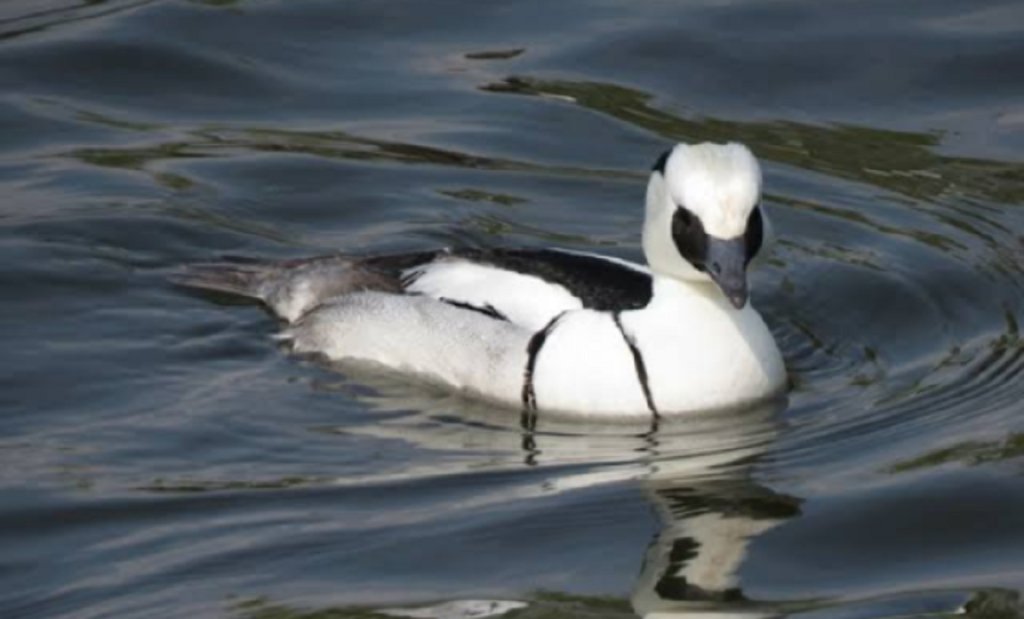
Laokhowa Wildlife Sanctuary has stepped up its conservation and enforcement activities, recording several significant achievements in wildlife monitoring, protection and habitat restoration, forest officials said on Friday.
During the 7th Kaziranga Waterbird Count 2026, sanctuary personnel recorded a high number of birds and rich species diversity across key wetlands, including Rowmari, Dondowa and Muamari beels.
A major highlight of the survey was the first-ever recorded sighting of the rare migratory Smew (Mergellus albellus) in the sanctuary. Bengal florican was also documented during the exercise, underscoring Laokhowa’s growing significance as a wintering habitat for migratory and wetland birds.
The sanctuary has simultaneously intensified enforcement to protect its wetland ecosystem. Officials arrested an individual allegedly involved in illegal fishing inside the sanctuary.
The Divisional Forest Officer of the Nagaon Wildlife Division, along with range officers, has ordered stricter measures to prevent such violations. These include intensified patrolling in vulnerable areas, surprise inspections, installation of monitoring points and legal action against repeat offenders.
The department has also undertaken habitat restoration work following an anti-encroachment drive in the Singimari section beat area in June 2026. Forest personnel planted more than 2,500 native saplings across 1.5 hectares to restore green cover and strengthen the sanctuary’s core wildlife habitat.
Officials also alleged that a section of illegal fishermen circulated misinformation following the enforcement drive in an attempt to mislead departmental personnel and create confusion among the public.
The Forest Department clarified that all enforcement measures were being carried out in accordance with the Wildlife Protection Act and warned that legal action could be taken against those spreading misinformation to obstruct conservation activities.
A senior forest official said the sanctuary would continue to strengthen its protection, wildlife surveys and habitat restoration programmes.
“Our priority is to protect biodiversity and wetland health. We will not allow illegal activities or attempts to derail conservation through false propaganda,” the official said.
The department has also urged local communities and the media to verify information with official sources before sharing or publishing reports related to conservation activities.
About The Author