Assam Implements Sweeping Excise Reforms New Distance Mandates, Strict Fiscal Penalties, and Heritage Liquor Protections Formally Notified
 Rohan Editor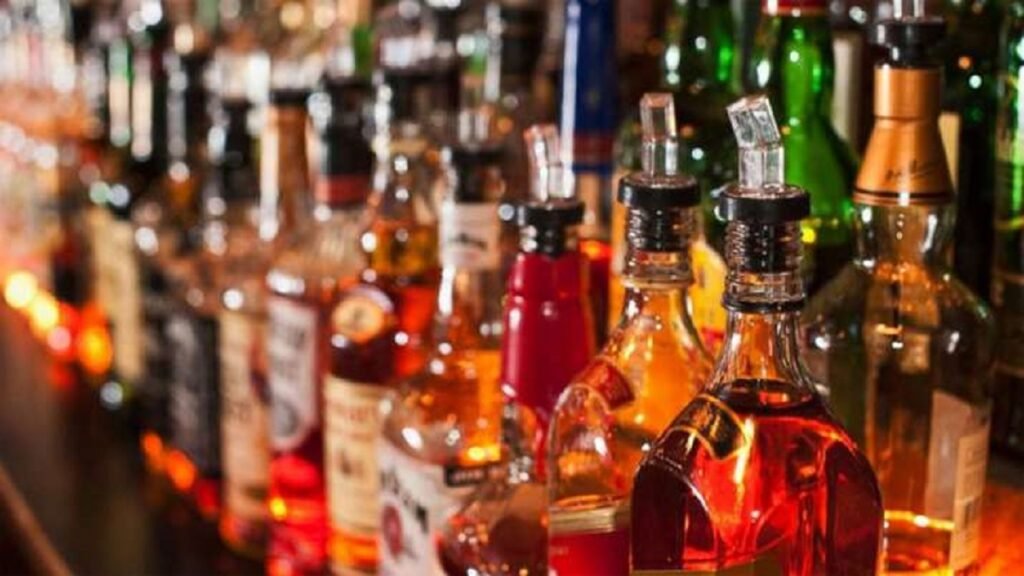
The Assam Excise Department has officially notified the “Assam Excise (Amendment) Rules, 2026,” rolling out immediate and stringent overhauls to the state’s liquor sector, retail licensing operations, and revenue management. Approved by the Governor of Assam, the newly enacted legal framework introduces a mandatory Minimum Guaranteed Revenue (MGR) structure for all Indian-Made Foreign Liquor (IMFL), beer, and country liquor wholesale and retail “OFF” shops. To ensure a consistent flow of state revenue, the fiscal year has been sliced into four distinct quarters, requiring license holders to deposit revenue at staggered quarterly rates of 22%, 25%, 27%, and 26%, respectively. The government has established aggressive financial deterrents to combat compliance failures; missing the designated quarterly revenue targets will now trigger an immediate 10% flat penalty on outstanding dues, compounded by an ongoing monthly interest charge of 1.5% for delayed payments.
Alongside the updated financial rules, the state administration has sharply tightened public zoning policies by expanding mandatory buffer zones between retail liquor establishments. Under the 2026 mandates, any operator opening a new shop or applying for a license relocation must maintain minimum separation distances of 500 meters within the Kamrup (Metropolitan) District, a full 1 kilometer within other Municipal Corporations, Municipal Boards, and Town Committee limits, and an extended 2 kilometers across rural areas. Packaging guidelines have also been revised, requiring retail “OFF” shops to exclusively sell liquor in sealed and capsuled bottles with a minimum volume of 180 ml, while “ON” shops (bars) are now legally restricted to utilizing bottles of 750 ml or larger. Beyond stricter market regulation, the amendment introduces a new “Assam Made Liquor” classification to boost internal trade and creates a dedicated legal safeguard for traditional, heritage alcoholic beverages. To encourage tribal brewers, manufacturing rights for heritage spirits are now exclusively reserved for local indigenous communities, backed by slashed license fees and an established maximum production cap of 1,000 liters per day to balance regional commercialization with cultural preservation.
About The Author